Electrical Compliance
Why PAT is Essential for your UK Business
In the United Kingdom, adherence to the
Electricity at Work Regulations 1989 mandates that employers must ensure electrical equipment is maintained in a safe condition. Portable Appliance Testing (PAT) is the proven, systematic way to meet this legal duty of care. By having your portable appliances regularly inspected and tested, you significantly reduce the risk of electrical shock, burns, and fire in the workplace.
Not only does compliance protect your staff and premises, but it also provides crucial evidence in the event of an insurance claim, ensuring your business remains safe, compliant, and fully operational.
The PAT Testing Process
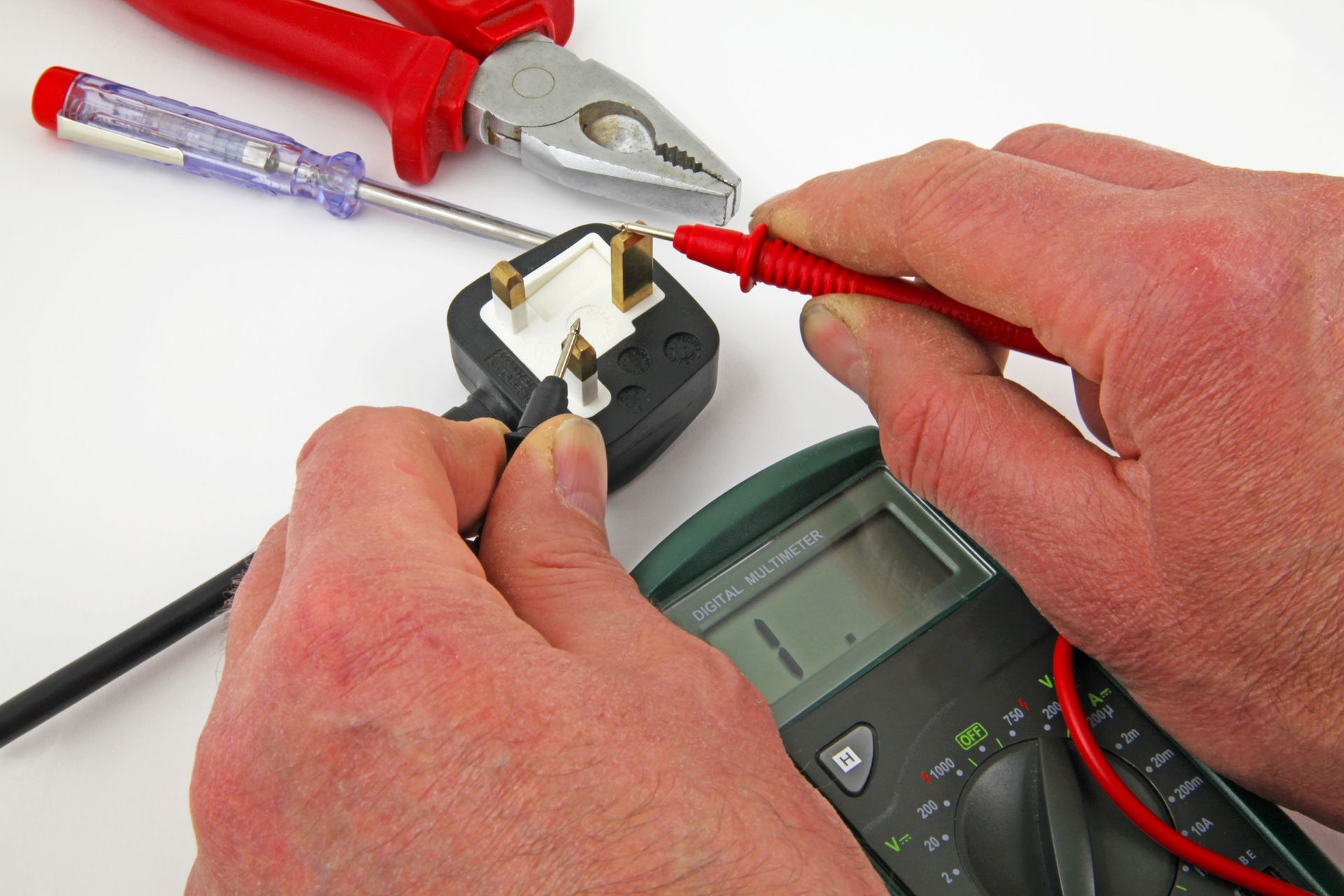
PAT testing is a routine process to ensure electrical appliances are safe to use. We inspect everything from power cords and plugs to the internal components of an appliance. For a factory setting, this often involves specialised machinery, so our team uses a variety of testing methods tailored to industrial equipment. PAT is equally important for offices, schools, shops, churches etc, and we cater for all. The final report serves as a crucial document, helping the factory management maintain a safe working environment and demonstrate compliance with legal standards.
EICR
A commercial business in the UK requires an Electrical Installation Condition Report (EICR) primarily to meet their legal and safety obligations under the Electricity at Work Regulations 1989 and the Health and Safety at Work Act 1974. EICR is the recognised method for business owners and landlords to demonstrate that the electrical systems are safe, properly maintained, and free from deterioration or defects, thereby fulfilling their legal duty of care to employees and visitors. Beyond compliance, a valid EICR is essential for risk management, helping to prevent electrical fires, costly operational downtime due to faults, and potential six-figure fines or prosecution from the Health and Safety Executive (HSE), while also being a requirement for validating most business insurance policies.
Legal Requirements
For landlords, having a valid EICR is a legal requirement in England, Scotland, and Wales. The Electrical Safety Standards in the Private Rented Sector (England) Regulations 2020 mandate that landlords must:
If the report finds any "unsatisfactory" conditions (C1 or C2), landlords must carry out the required remedial work within 28 days (or sooner if the report specifies).
Failure to comply can result in fines of up to £30,000 and can invalidate a landlord's insurance.

Provide a copy of the EICR report to their tenants at the start of a new tenancy.
Ensure every electrical installation is inspected and tested by a qualified person at least every five years.
Retain a copy of the report and provide it to a new electrician upon request.
Commercial Requirements
For commercial properties and businesses, while not an explicit legal requirement in the same way as for landlords, the Electricity at Work Regulations 1989 require employers to maintain safe electrical systems to prevent danger. An EICR is the most effective and widely accepted way to demonstrate compliance with these regulations.
Domestic Requirements
For homeowners, an EICR is not legally mandatory, but it's strongly recommended. It provides peace of mind and is often required by insurance companies or mortgage lenders when buying or selling a property.
Our electrical compliance projects